

ငါးသားပေါက်နှင့်ငါးသန်
ရှင်သန်နှုန်းအမြင့်ဆုံးဖြင့်ကြီးထွားစေခြင်း။
ငါးအသေအပျောက်အများဆုံးကာလ
အစာစားနှုန်းကိုမည်သို့မြှင့်တင်မလဲ?
ငါးသန်များကို ဘေးကင်းအောင် မည်သို့သယ်ယူရမလဲ။
အမေးများသောမေးခွန်းများ
ငါးသားပေါက်နှင့်ငါးသန်အဆင့်အတွက်အဓိကမေးခွန်းများ
တီလားပီးယားမွေးမြူရာတွင် အဖိုသီးသန့် (Monosex) ဖြစ်ရန် အလွန်အရေးကြီးပါသည်။ ငါးသားပေါက်လေးများ ဗိုက်အောက်ရှိ အစာအိတ်ကုန်သွားသည်နှင့် (ဥမှပေါက်ပြီး ၅ ရက်ခန့်အကြာ) ဟော်မုန်းကျွေးခြင်းကို ချက်ချင်းစတင်ရပါမည်။ ထိုအစာသည် အစာစားချင်စိတ်ကို နှိုးဆွပေးနိုင်ရမည့်အပြင် အဆင့်မြင့်ဟော်မုန်း (Testosterone) ဖြင့် စနစ်တကျ ရောစပ်ထားသော အစာဖြစ်ရပါမည်။ ဟော်မုန်းအစာကျွေးရန် ၁၀ ရက်ထက် နောက်ကျသွားပါက အဖိုပြောင်းလဲမှု မအောင်မြင်နိုင်တော့ပါ။ ငါးများအားလုံး အဖိုဖြစ်သွားစေရန် ဟော်မုန်းအစာကို ၂၁ ရက်တိတိ ကျွေးရပါမည်။ သို့မှသာ ငါးများ ကြီးထွားမှုနှုန်း ညီညာပြီး ထွက်နှုန်းကောင်းမွန်မည် ဖြစ်သည်။
အသေးစိတ်ပိုမိုသိရှိနိုင်စေရန်အတွက် ကျွန်ုပ်တို့နှင့်ဆက်သွယ်နိုင်ပါသည်။ငါးသန်လေးများ အရှိန်အဟုန်ဖြင့် ကြီးထွားလာစေရန်အတွက် လိုအပ်သော အာဟာရဓာတ်များ ပြည့်စုံစွာပါဝင်သည့် အရည်အသွေးမြင့်အစာကို လုံလောက်စွာ ကျွေးရပါမည်။ သို့သော် အစာကို လိုအပ်သည်ထက် ပိုကျွေးပါက ရေထုညစ်ညမ်းစေပြီး ငါးများ၏ ကျန်းမာရေးနှင့် ကြီးထွားမှုကို ထိခိုက်စေနိုင်ပါသည်။ ငါးလေးများသည် အစာအိမ်သေးသဖြင့် အစာကို တစ်ခါတည်း အများကြီးမစားနိုင်ပါ။ ထို့ကြောင့် အစာပမာဏအနည်းငယ်စီကို အကြိမ်ရေများများ ခွဲကျွေးခြင်းဖြင့် ငါးများအားလုံး အစာညီတူညီမျှစားရပြီး ကြီးထွားနှုန်း ညီညာစေပါသည်။ ၎င်းသည် ငါးရှင်သန်နှုန်းကို မြင့်မားစေပြီး မွေးမြူသူအတွက် အကျိုးအမြတ် ပိုမိုရရှိစေပါသည်။
မှန်ကန်သောအစာကျွေးနှုန်းများကိုကြည့်ရှုနိုင်ပါသည်။မိမိ၏ငါးများ မည်သို့အခြေအနေရှိသည်နှင့် မည်သည့်အချက်ကို အဓိကထားလုပ်ဆောင်ရမည်ကို သိရှိနိုင်ရန် မှတ်တမ်းထားရှိခြင်းမှာ အလွန်အရေးကြီးပါသည်။ ကျွန်တော်တို့ ဒီဟတ်(စ်)မြန်မာအနေဖြင့် အစာစားနှုန်း (FCR) ကိုတွက်ချက်ရန်၊ ငါးကြီးထွားမှုကိုစောင့်ကြည့်ရန်၊ ငါးဖမ်းဆီးမည့်အချိန်နှင့်အစာဝယ်ယူမည့်အစီအစဉ်များကို ကြိုတင်ပြင်ဆင်နိုင်ရန် ငါးမွေးမြူရေးမှတ်တမ်းစာအုပ်များကိုလည်းပြုလုပ်ပေးထားပါသည်။
မိမိငါးကန်၏အချက်အလက်များကို စံသတ်မှတ်ချက်များနှင့်နှိုင်းယှဉ်ကြည့်ခြင်းဖြင့် ပြဿနာရှိနေသည့်အချိန် သို့မဟုတ် ပိုမိုကောင်းမွန်အောင် ပြုပြင်နိုင်သည့်အချက်များကို သိရှိနိုင်မည်ဖြစ်ပါသည်။ အစာကျွေးခြင်း၊ ကြီးထွားနှုန်းနှင့်ရေအရည်အသွေးတို့ကို ပေါင်းစပ်မှတ်တမ်းတင်ထားခြင်းဖြင့် ပိုမိုမှန်ကန်သောဆုံးဖြတ်ချက်များချနိုင်ရန် အကူအညီများလည်းရရှိစေနိုင်ရန်ရည်ရွယ်ထားခြင်းဖြစ်ပါသည်။
ငါးမှုန်လေးများသည် ၎င်းတို့၏ ဗိုက်အောက်ရှိ အစာအိတ် (Yolk-sac) မှ အာဟာရကို စုပ်ယူပြီးနောက် စတင်အစာစားကြသည်။ အချို့သော ငါးများသည် အဆိုပါ အစာအိတ်ကုန်သွားသည်နှင့် အစာတောင့်/အစာမှုန့်များကို တိုက်ရိုက်စားနိုင်ကြသည်။ သို့သော် အချို့ငါးများမှာမူ အစာခြေစနစ် ကောင်းမွန်စွာ ဖွံ့ဖြိုးလာစေရန် ရေညှိ (Micro-algae)၊ ရိုတီဖာ (Rotifers) သို့မဟုတ် အာတီမီးယား (Artemia) ကဲ့သို့သော သဘာဝအသက်ရှိအစာများကို ကြားခံအဖြစ် အရင်ကျွေးရန် လိုအပ်ပါသည်။
ငါးများလိုအပ်သော အာဟာရဓာတ်အားလုံးကို အစာတောင့်/အစာမှုန့်များမှ အပြည့်အဝရရှိနိုင်သည်အထိ သဘာဝအစာနှင့် အစာတောင့်ကို ရောနှောကျွေးရာမှ အစာတောင့်ကို တဖြည်းဖြည်း တိုးမြှင့်ကျွေးမွေးခြင်းဖြင့် ဖြစ်နိုင်သမျှ အစောဆုံး အစာတောင့်သို့ ပြောင်းလဲကျွေးမွေးပါ။
သင့်ငါးများအတွက် အကောင်းဆုံး အစာပြောင်းလဲကျွေးမွေးမှု အစီအစဉ်ကို သိရှိနိုင်ရန် မိမိတို့၏ အရောင်းကိုယ်စားလှယ်များနှင့် တိုင်ပင်ဆွေးနွေးပါ။ကျွန်ုပ်တို့၏ငါးစာများ
သင့်ငါးကန်ထဲကငါးတွေအတွက်အသင့်တော်ဆုံးငါးစာများ
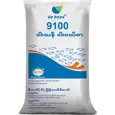
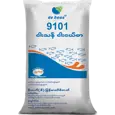
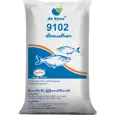
ကျွန်ုပ်တို့၏ငါးမွေးမြူရေးပညာရှင်များ၏ဆွေးနွေးတိုင်ပင်လိုက်ပါ။
ငါးများ၏အရည်အသွေးနှင့်ကြီးထွားမှုကို အကောင်းဆုံးဖြစ်စေရန် အကူအညီများလိုအပ်ပါသလား ငါးမွေးမြူရေးအဆင့်တိုင်းမှာ သင့်ကိုကူညီဖို့ကျွန်တော်တို့ရဲ့ပညာရှင်များက ကူညီဖို့အဆင်သင့်ရှိနေပါတယ်။

Myo Tun
(Sr. Aqua Technician)